
CPTSD and Relationships: What Partners Need to Know About Loving Someone With Complex Trauma
By Nikki DeVault, LPC | Trauma Therapy in West Chester, PA

Loving someone with CPTSD, or complex PTSD, can leave you feeling confused in ways that are hard to explain. A conversation that started simply somehow escalated into something painful. Your partner shut down or pulled away, and you were not sure what you did wrong. You tried to help and it made things worse. You tried to give space and that felt wrong too.
And if you are the one living with CPTSD, you may have spent a long time wishing the people closest to you could understand what is happening inside you during those moments. Not to fix it. Just to see it.
This post is for both of you.
What CPTSD actually is
Complex PTSD develops when someone has lived through prolonged or repeated trauma, often in relationships where they should have felt safe. This might include growing up with unpredictable or critical caregivers, experiencing emotional neglect, or spending years in an environment where they had to stay constantly on guard.
Unlike a single traumatic event, complex trauma shapes the nervous system over time. The brain and body learn to survive by staying alert, managing emotions carefully, and bracing for things to go wrong. These were smart, necessary adaptations. The problem is that they tend to stay long after the original danger is gone.
This is why CPTSD shows up not just as flashbacks or anxiety, but as patterns that can be harder to name: shutting down during conflict, needing reassurance but feeling ashamed to ask for it, expecting rejection even when things are going well, or feeling responsible for everyone else's emotions.
Why CPTSD and relationships are so tangled together
Here is something that makes CPTSD particularly complicated in relationships: complex trauma almost always happened within relationships. Which means that closeness itself can carry a kind of threat, even when the relationship is safe.
Someone with CPTSD may genuinely want connection and intimacy while their nervous system is simultaneously bracing for something to go wrong. This push and pull is not manipulation or mixed signals. It is the nervous system trying to balance two needs at the same time: the longing for closeness and the fear of being hurt again.
For partners, this can feel disorienting. You may feel like you are always getting it wrong, walking on eggshells, or never quite enough. For the person with CPTSD, it can feel like being trapped between wanting to let someone in and not fully trusting that it is safe to do so.
Neither experience is wrong. Both are painful.
What can suddenly feel unsafe, even when nothing is wrong
One of the most confusing things for partners is how quickly a moment can shift. Things that seem small from the outside can land very differently inside a nervous system shaped by trauma. A frustrated tone of voice. A moment of emotional distance. A text that goes unanswered a little too long. A conversation that starts to feel tense.
In those moments, the brain may react as if an old danger is happening again, even when the present situation is completely different. These reactions are not intentional. They are the nervous system doing what it learned to do, trying to protect the person from being hurt the way they were hurt before.
Understanding this does not mean every reaction gets a free pass. It means having a framework for what might be happening underneath, so the response can be steadier and less reactive.
What actually helps during a hard moment
When someone with CPTSD is triggered or flooded, the most helpful thing is almost never solving the problem right away. The brain in survival mode cannot think clearly or take in new information easily. What it can respond to is safety.
That means slowing down. Keeping your tone soft. Saying something simple like "I'm here" or "we can slow down." Giving space if that is what is needed, without withdrawing entirely. And coming back to the harder conversation once both people feel steadier.
None of this requires perfection. It requires presence and a willingness to pause.
What tends to make things harder
Some of the most common responses in hard moments, though completely understandable, tend to make things worse rather than better. Debating whether a reaction makes sense. Telling someone to calm down. Pushing to resolve the conflict before the nervous system has had time to settle. Taking the reaction personally and responding defensively.
These responses are human. When someone we care about is upset, it is natural to want to explain ourselves, fix the situation, or help them feel better quickly. But a triggered nervous system needs calm before it can take in anything else.
When you feel activated too
Supporting someone with CPTSD can stir up a lot in a partner as well. A loved one's withdrawal or emotional intensity can touch old fears of your own, things like feeling blamed, rejected, or not enough. When that happens, both nervous systems are overwhelmed at the same time, and the conversation becomes much harder for either person to navigate well.
This does not mean the relationship is failing. It means both people may benefit from support. Your steadiness matters in these moments, and so does your own wellbeing.
Healing is possible, and it is not linear
The nervous system learned its patterns over a long time, and it takes repeated experiences of safety for those patterns to slowly shift. Progress is rarely a straight line. There will be harder days alongside calmer ones. Small moments of repair and steadiness matter more than anyone usually realizes in the moment.
What makes the biggest difference is not perfect responses. It is the consistent willingness to stay present, stay curious, and keep showing up.
If you found this helpful, I put together a free guide that goes deeper into all of these topics, written for partners and loved ones navigating CPTSD in relationships, and for anyone who has ever wished the people closest to them truly understood what they carry.
It covers what CPTSD is, why trauma affects relationships, what helps during a trigger, what usually does not help, and how healing actually works.
Get the guide HERE
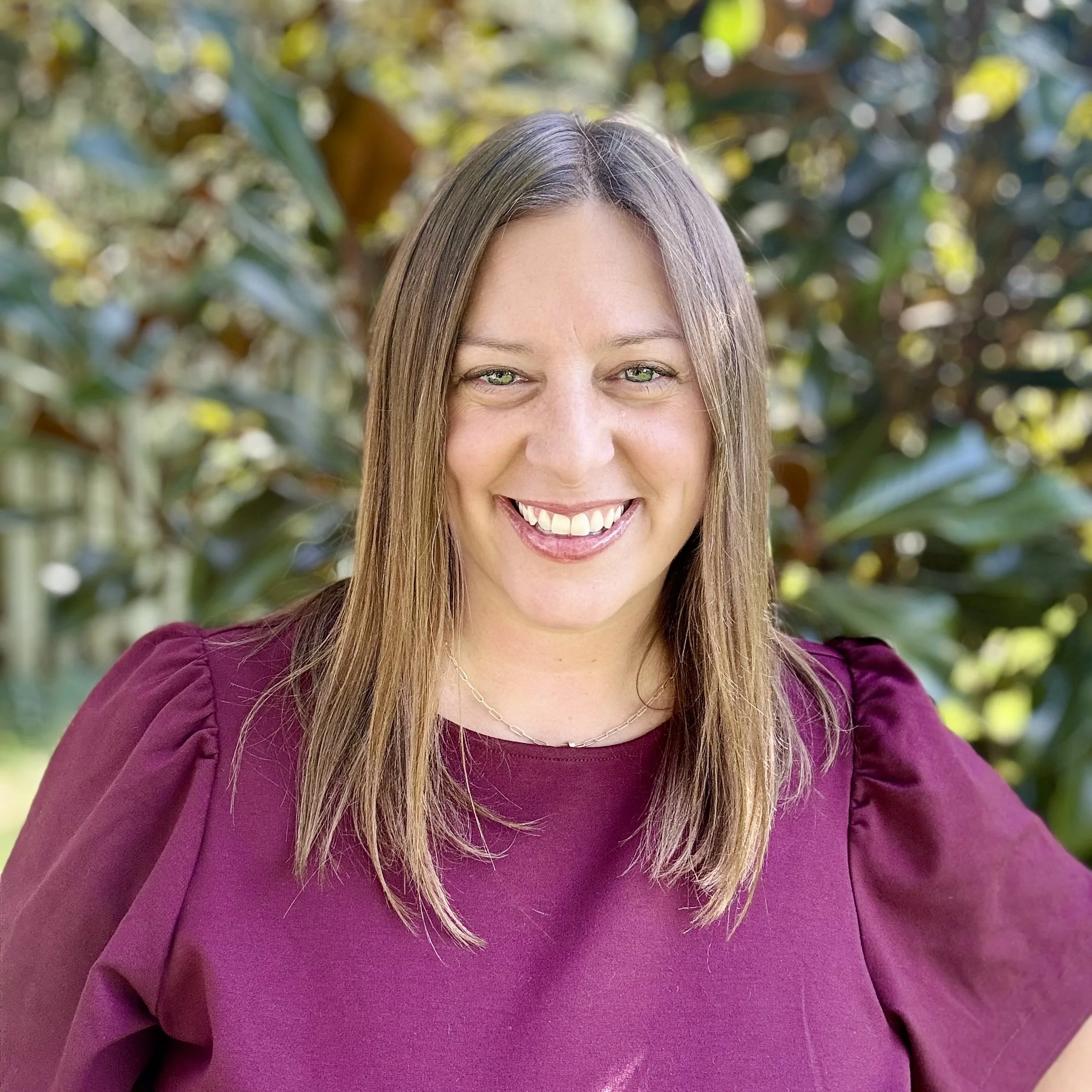
Nikki DeVault, LPC
Nikki DeVault is a licensed professional counselor in West Chester, Pennsylvania, specializing in trauma, CPTSD, anxiety, and attachment. She works with adults in person and online throughout Pennsylvania. If you are looking for trauma therapy in West Chester or the Chester County area, she would love to connect.
Click HERE to Learn more about Nikki DeVault, LPC,
Interested in finding support through trauma therapy? Learn more about TRAUMA THERAPY.