
Why You Shut Down or Get Overwhelmed So Fast
For adults who feel “too sensitive,” “too much,” or like their reactions happen before they can stop them.
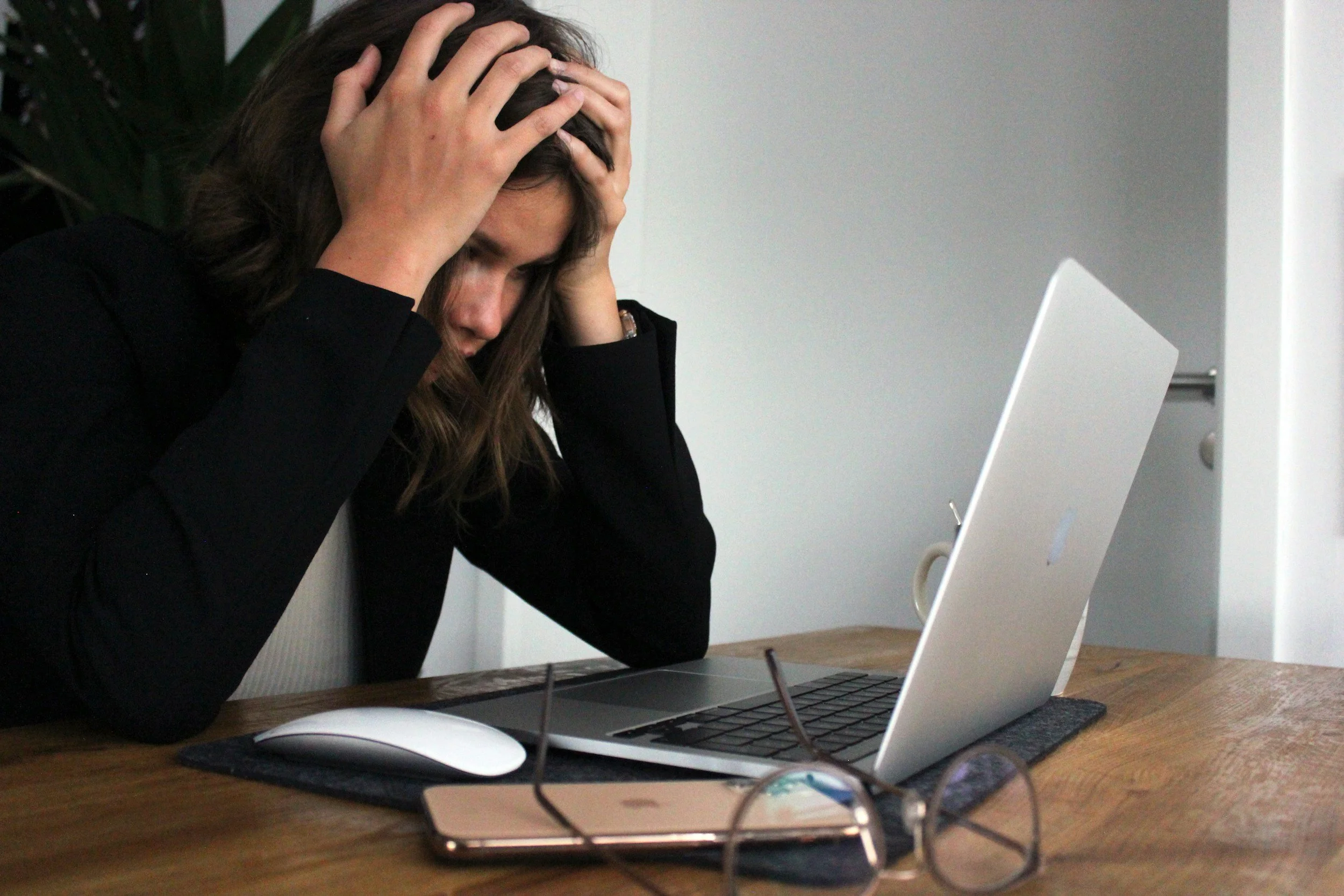
Many adults describe overwhelm as something that happens “instantly.” One small stressor, one shift in tone, one unexpected comment and your body reacts before you even have time to think. If this is true for you, it isn’t because you’re weak or overly emotional. It’s a sign that your nervous system is working overtime to protect you, often based on older patterns of stress or trauma.
This post explains why your overwhelm feels so sudden and what is actually happening inside your nervous system when you shut down, go blank, freeze, or get emotionally flooded.
What Overwhelm Really Is
Overwhelm is what happens when your nervous system moves outside your Window of Tolerance. This “window” is the range where you can think, feel, and respond without becoming overloaded. When you slip outside of it, your body will either ramp up or shut down in an attempt to keep you safe.
For some people, overwhelm looks like a surge of emotion or intensity. Thoughts become loud and tangled, your chest may tighten, your heart may race, and it becomes difficult to process simple information. For others, overwhelm doesn’t look emotional at all because it looks like going quiet, numb, foggy, disconnected, or suddenly tired. Some people experience a mix of both, bouncing between activation and collapse depending on the moment.
None of these reactions are choices. They are automatic shifts in your physiology. Your body is signaling that something feels unsafe or too much, even if your mind is saying, “I should be able to handle this.”
Check out these related links: Trauma Responses Explained and What Is Stored Trauma
Why It Happens So Quickly
Overwhelm happens fast because your brain’s threat-detection system moves much faster than your thinking brain ever could. Before you consciously register what’s happening, your survival system has already evaluated the situation and chosen a response.
If you've lived through trauma, chronic stress, unpredictability, emotional neglect, or environments where you had to stay on alert, your body may respond even more rapidly — often before you can consciously interpret the situation. A narrow Window of Tolerance makes it harder to stay grounded when stress hits, and long-term self-criticism or pressure can keep your system in a semi-braced state even when nothing is actively wrong.
Many highly sensitive or emotionally attuned adults also experience overwhelm more quickly. Not because they’re fragile, but because their systems pick up on subtle shifts in tone, posture, or energy that other people might miss. When this sensitivity was unsupported or judged growing up, it often becomes a vulnerability instead of a strength.
Check out this related link: What Is A Trigger
What This Pattern Does Do
When overwhelm happens often, it shapes much more than your emotional life. It influences how you handle conflict, make decisions, and interpret people’s intentions. It affects whether you speak up or stay quiet, whether you move toward connection or pull away, and whether you take risks or keep yourself small.
Many adults who get overwhelmed quickly end up feeling misunderstood in relationships. They may appear “fine” on the outside while their internal system is in full shutdown. Or they may react faster or more intensely than they would like, only to feel guilty afterward. Over time, this pattern can impact work performance, communication, self-esteem, and even physical health.
None of this means you’re failing. These reactions are your body’s best guesses about what will protect you based on what it learned earlier in life. Understanding the pattern gives you space to interrupt it — not by force, but by creating more safety within.
What This Pattern Doesn’t Mean
Fast overwhelm does not mean you’re dramatic or overreactive. It does not mean you should be less sensitive or that you’re somehow behind in life. It does not mean others have it easier because they’re “stronger.” And it absolutely does not mean you’re broken.
These reactions are not character traits. They’re physiological strategies your body has relied on to get you through difficult or overwhelming experiences in the past. You’re not weak for having them — you’re human, adaptive, and wired for survival. Your body learned to react quickly to keep you safe, not because something is wrong with you.
How Trauma Shapes Fast Overwhelm
Trauma doesn’t just live in memory. It lives in your wiring and in the patterns your nervous system built to survive. If raised voices used to signal danger, your body will still react to them decades later. If unpredictability or emotional chaos were part of your environment, you may now shut down or freeze when conversations move too quickly or feel unstable.
This is why your reaction feels out of proportion to the moment. Your body is responding to what the situation reminds it of, not what is actually happening. This is not your fault. From your nervous system’s perspective, it’s repeating what kept you safe in the past. Healing isn’t about reliving old experiences, it’s about helping your system update the message from “I’m in danger” to “I’m safe enough now.”
Common Overwhelm Patterns Explained
Flooding
Flooding feels like everything hits at once. Emotion, thoughts, sensations, fears. You may want to leave the room, shut down the conversation, or make the feeling go away immediately. It’s the nervous system hitting the gas pedal.
Shutdown
Shutdown is the opposite. You go quiet, numb, foggy, or disconnected. You may feel like you’re underwater or behind glass. It’s the nervous system hitting the brakes.
Freeze
Freeze is a stuck state. You can’t speak, move, or decide. You feel immobilized even though you may look calm on the surface.
Fight Activation
This isn’t about anger issues. It’s about protection. Your body prepares to defend you through tension, irritability, or a rapid need to explain or justify yourself.
Each of these is a form of trauma response and a sign of dysregulation rather than a sign of personal inadequacy.
Why These Responses “Stick” Over Time
These patterns stick because your nervous system hasn’t yet completed the story. Even if your life is different now, your body might still be waiting for the next impact. When your system doesn’t get repeated experiences of safety, support, or predictability, it keeps using the old survival strategies because they once worked.
This is also why logic isn’t enough. Even when you know the situation is safe, your body may not believe it yet. Healing requires helping your nervous system learn new signals, new cues of safety, and new ways to move through stress without shutting down or spiraling.
What Helps You Feel Less Overwhelmed Over Time
Support begins with gently teaching your nervous system that you have more capacity than it believes you do. Small body-based practices are often more effective than trying to talk yourself into calm.
Feeling your feet on the ground for a few moments can anchor your attention into the present. Lengthening your exhale slightly can signal to your body that danger is not immediate. Noticing where tension sits in your chest or shoulders can soften your internal alarm. Sometimes simply naming your experience by saying, “I feel overwhelmed right now”, gives your system enough permission to settle a little.
Movement can also help, whether it’s walking, stretching, or shifting your posture. Warmth can soothe your system, such as placing a warm hand on your chest. And building self-kindness, especially around moments of shutdown, can slowly rewire patterns that were shaped by earlier criticism or pressure.
These steps won’t erase overwhelm overnight, but they create internal experiences of safety and regulation that your body gradually learns from.
When EMDR Can Help
EMDR helps your nervous system update old danger signals. Instead of reacting to past stress as if it is happening right now, EMDR helps the body complete what was unfinished and integrate information in a calmer, more balanced way.
Many adults notice that after EMDR, their reactions feel slower, smaller, or easier to manage. They feel less pulled into old patterns of shutdown, self-blame, or emotional flooding. They get more space between the trigger and their response. EMDR for Anxiety is especially helpful for people whose overwhelm feels immediate or automatic.
You don’t need to push through or force yourself to “handle more.” You need support that helps your system trust safety again.

Ready to Begin?
You don’t have to live in a body that shuts down or gets overwhelmed so quickly. With the right support, your nervous system can learn new patterns and a deeper sense of safety. If you’re curious whether EMDR or trauma-focused therapy could help, you can explore your next step here:
EMDR Therapy and Therapy for Trauma and PTSD
You deserve steadiness. You deserve clarity. You deserve relief.
Learn more about me or book your free consultation call HERE.